Sequential Redemption Pathways Connecting Entry Bonuses to Ongoing Mobile Live Dealer Participation
Written by Ellis Baumann · Oct 10, 2026

Sequential Redemption Pathways Connecting Entry Bonuses to Ongoing Mobile Live Dealer Participation
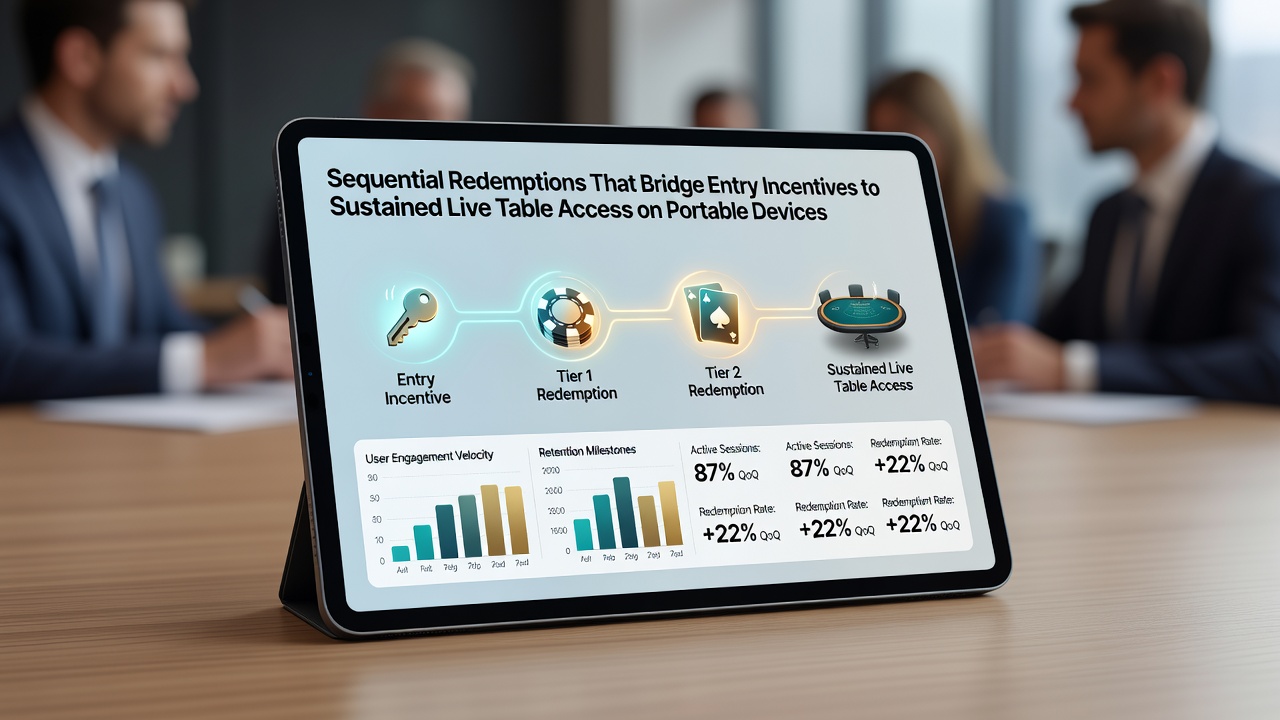
Sequential redemption systems allow players to convert initial deposit incentives into continued participation at live dealer tables accessed through portable devices, and data from multiple markets shows these pathways rely on structured tiers that unlock progressively higher levels of table access. Operators implement these sequences by requiring completion of wagering requirements tied to the first bonus before releasing subsequent credits that apply directly to live games on mobile platforms.
Entry incentives typically begin with no-deposit or matched offers that credit accounts upon registration, after which players complete verification steps that activate the first redemption window. Once redeemed, those funds convert into play credits usable on mobile apps, and the sequence advances when players meet minimum play thresholds that trigger the next tier. This structure maintains engagement across sessions because each completed redemption unlocks features such as reserved seats at live tables or reduced latency streaming on handheld devices.
Mechanics of Tiered Redemptions on Mobile Platforms
Redemption sequences operate through automated tracking within casino applications where players select bonus options from account menus, and systems record progress toward each stage using timestamps and wager totals. Mobile interfaces display progress bars that update in real time, allowing users to monitor advancement toward live table eligibility without switching devices. Research indicates that sequences incorporating live dealer games require specific game categories to count toward redemption, which directs activity toward blackjack, roulette, and baccarat streams optimized for smaller screens.
Portable devices facilitate sustained access because apps cache game states and support background notifications that alert players when new redemption windows open. In October 2026, industry tracking recorded increased session lengths on smartphones and tablets as operators refined push notification timing to coincide with peak live table availability. Players advance through tiers by accumulating points from both slots and table games, yet live dealer rounds often carry higher point multipliers that accelerate progression to sustained access levels.
Integration with Live Table Ecosystems
Live dealer platforms integrate redemption sequences by tagging specific tables with bonus-eligible status, and mobile users receive priority routing once their account satisfies the preceding tier. Data shows that sequences designed this way increase repeat logins because players retain access to the same dealer tables across multiple days rather than starting fresh each session. Applications maintain continuity by storing table preferences and chip denominations, which reduces setup time when players return after completing a redemption step.
Operators coordinate these pathways with streaming providers so that live feeds remain stable on varying network conditions common to portable use. When a redemption completes, the system automatically credits a live table voucher that appears in the app wallet, and players can redeem it directly from the table lobby without navigating separate menus. This direct linkage keeps activity centered on live formats while satisfying the conditions of earlier incentive stages.
Regional Data on Mobile Redemption Trends
Figures from the American Gaming Association reveal that mobile live dealer participation grew steadily through 2025 and into 2026 in regulated U.S. states, with sequences that bridge entry offers to table access contributing to longer average play durations. Similar patterns appear in Canadian markets where provincial regulators track app-based redemptions separately from desktop activity. One study released by researchers at the University of Nevada, Reno examined how sequential credit releases affected player retention and found measurable increases when live table vouchers followed initial deposit matches.
Australian regulatory filings indicate that portable device redemptions now account for a rising share of total live game volume, and sequences that unlock sustained table access show lower dropout rates between the first and third redemption stages. These reports emphasize that operators must maintain separate accounting for each tier to comply with responsible gambling measures that cap total bonus value per account over defined periods.
Technical Requirements for Sustained Access
Portable applications supporting sequential redemptions incorporate secure wallet modules that handle credit conversion without interrupting live streams, and developers test these modules across multiple operating systems to ensure consistent performance. When a player completes a redemption stage, the app generates a temporary token that grants entry to designated live tables for a set duration, after which unused portions roll into the next available sequence. Network optimization protocols adjust video quality automatically so that live dealer interactions remain fluid even when connection speeds fluctuate during extended sessions.
Security protocols require biometric confirmation or PIN entry before each major redemption release, and these steps prevent unauthorized transfers while preserving the flow from entry incentives to ongoing table play. Observers note that operators who update their mobile frameworks regularly report higher completion rates across all sequence tiers compared with static app versions.
Conclusion
Sequential redemption structures provide measurable connections between initial incentives and continued mobile live table participation, and available data from multiple jurisdictions documents how these pathways operate through tiered tracking and direct voucher integration. Portable devices serve as the primary interface because applications consolidate progress monitoring, live streaming, and credit management into single sessions. Regulatory records and industry reports continue to track these mechanisms as operators refine the timing and conditions that govern progression from entry offers to sustained access levels.